
Search
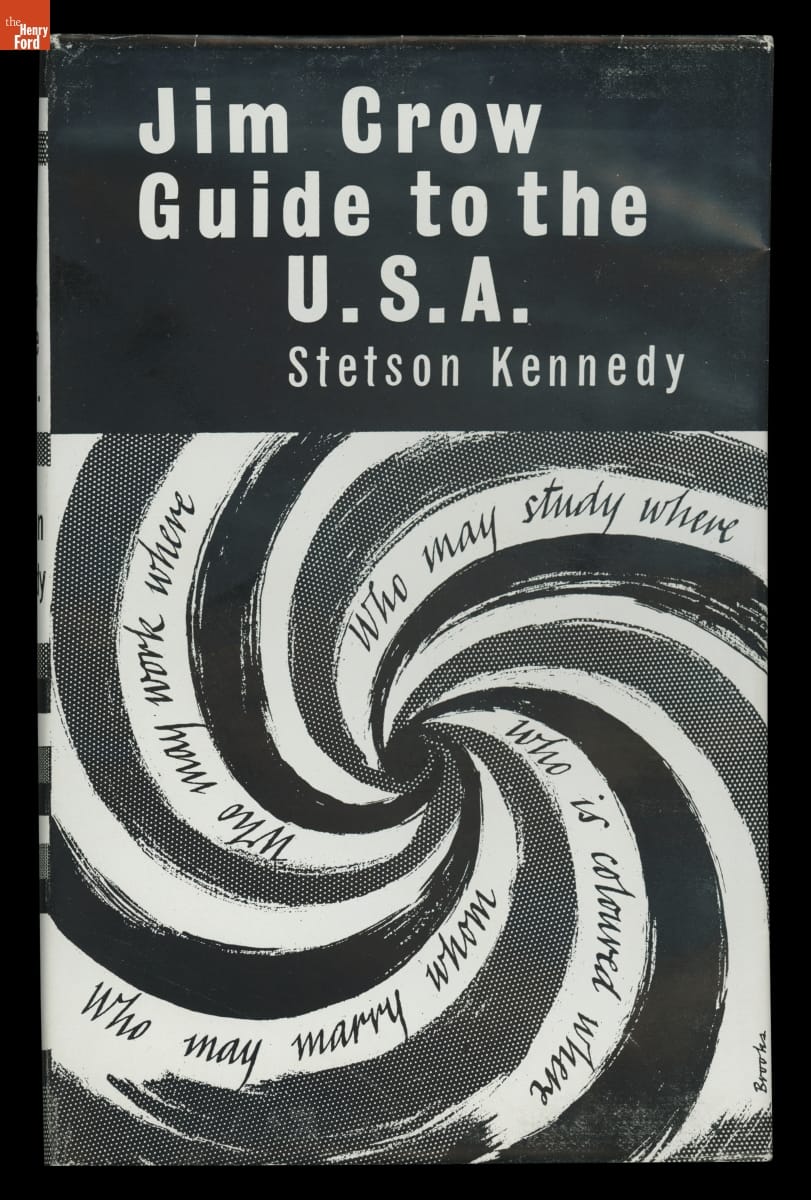
- "Jim Crow Guide to the U.S.A.," 1959 - Activist, folklorist and author Stetson Kennedy exposed American racism in his book <em>Jim Crow Guide to the U.S.A.</em> First published in France in 1956 -- he could find no American publisher to take on the project -- this mock guidebook uncovered the reach of Jim Crow inequality. Kennedy examined a number of areas including where one could live, work, travel, eat, sleep or study.
- 1959
- Collections - Artifact
"Jim Crow Guide to the U.S.A.," 1959
Activist, folklorist and author Stetson Kennedy exposed American racism in his book Jim Crow Guide to the U.S.A. First published in France in 1956 -- he could find no American publisher to take on the project -- this mock guidebook uncovered the reach of Jim Crow inequality. Kennedy examined a number of areas including where one could live, work, travel, eat, sleep or study.
- Everyday Jim Crow - Before the Civil Rights Act of 1964, America was legally ruled by segregation – the separation of citizens based on race and ethnicity. These laws, both formally written into law and local, societal norms, often were based on historic Black Codes.

- November 21, 2024
- Collections - article
Everyday Jim Crow
Before the Civil Rights Act of 1964, America was legally ruled by segregation – the separation of citizens based on race and ethnicity. These laws, both formally written into law and local, societal norms, often were based on historic Black Codes.
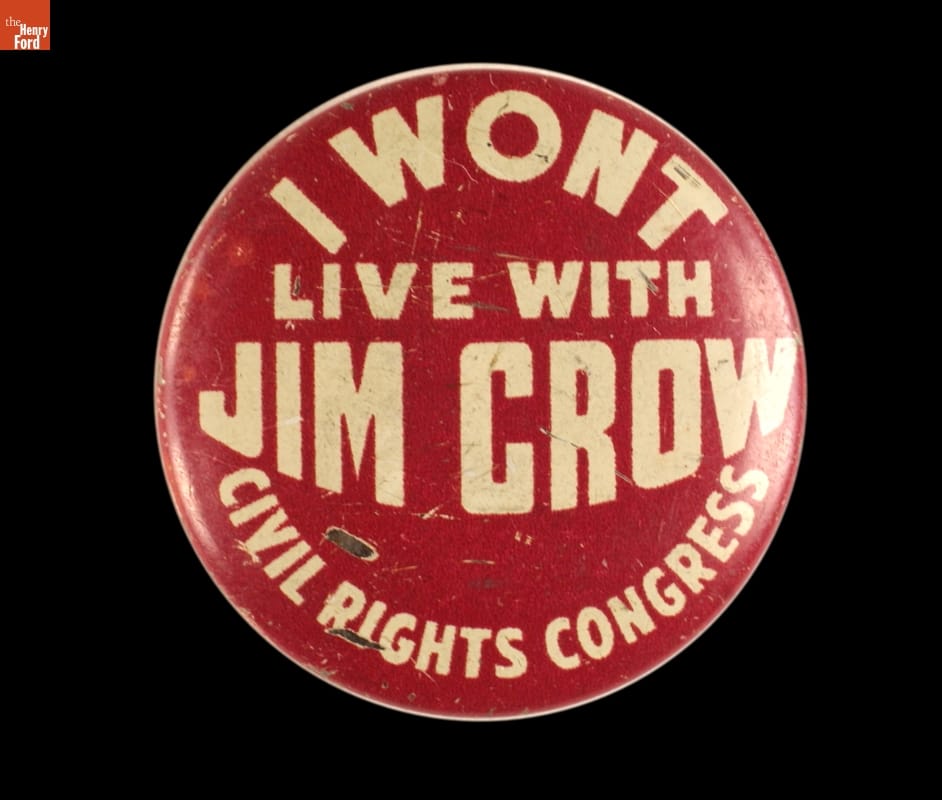
- Button, "I Won't Live with Jim Crow: Civil Rights Congress," circa 1948 - The term "Jim Crow" implied the systematic practice of discriminating against and segregating African Americans, especially in the American South, from the late 19th to the mid-20th centuries. The Civil Rights Congress (1946-1956) became a brief force in civil rights battles. However, with its ties to the American Communist Party, it became victim to Cold War anticommunism and government repression.
- circa 1948
- Collections - Artifact
Button, "I Won't Live with Jim Crow: Civil Rights Congress," circa 1948
The term "Jim Crow" implied the systematic practice of discriminating against and segregating African Americans, especially in the American South, from the late 19th to the mid-20th centuries. The Civil Rights Congress (1946-1956) became a brief force in civil rights battles. However, with its ties to the American Communist Party, it became victim to Cold War anticommunism and government repression.
- Crow Decoy, 1936-1938 -
- 1936-1938
- Collections - Artifact
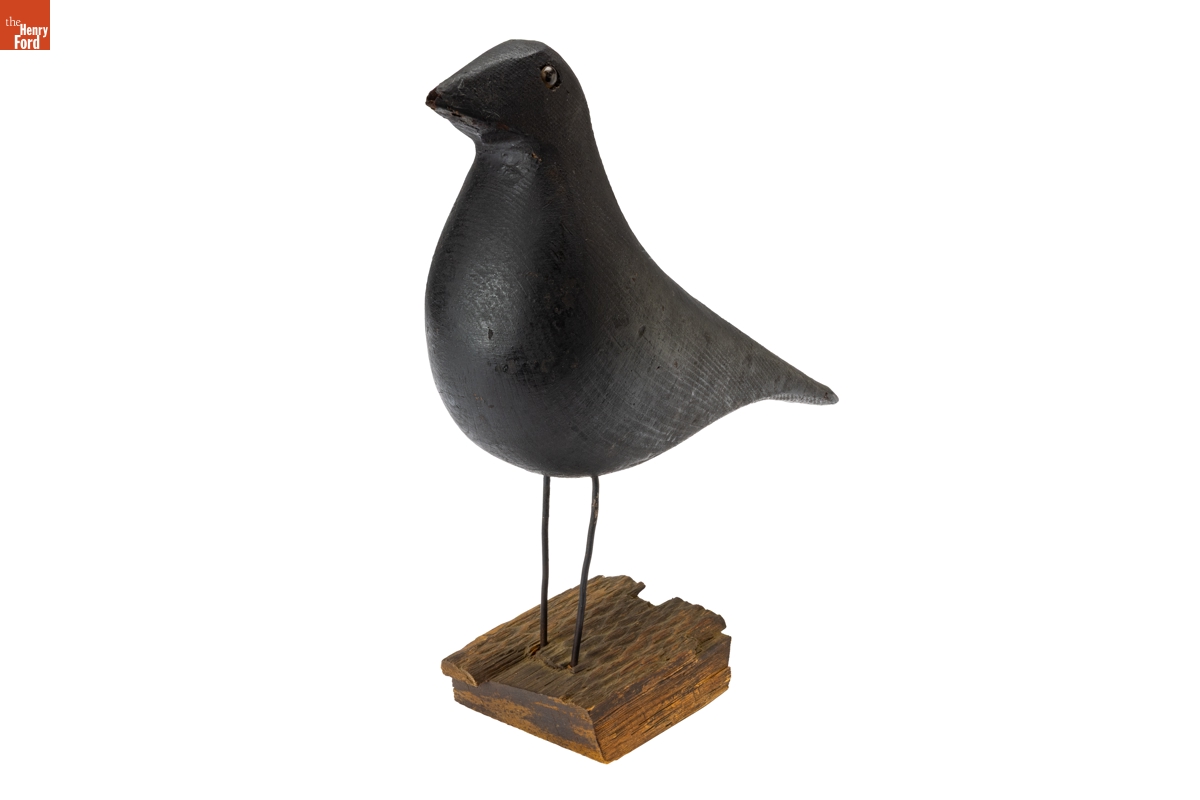
Crow Decoy, 1936-1938
- Segregated Travel and the Uncommon Courage of Rosa Parks - On December 1, 1955, Rosa Parks, a soft-spoken African American seamstress, was arrested for refusing to give up her seat to a white man on a bus in Montgomery, Alabama.

- February 05, 2018
- Collections - article
Segregated Travel and the Uncommon Courage of Rosa Parks
On December 1, 1955, Rosa Parks, a soft-spoken African American seamstress, was arrested for refusing to give up her seat to a white man on a bus in Montgomery, Alabama.
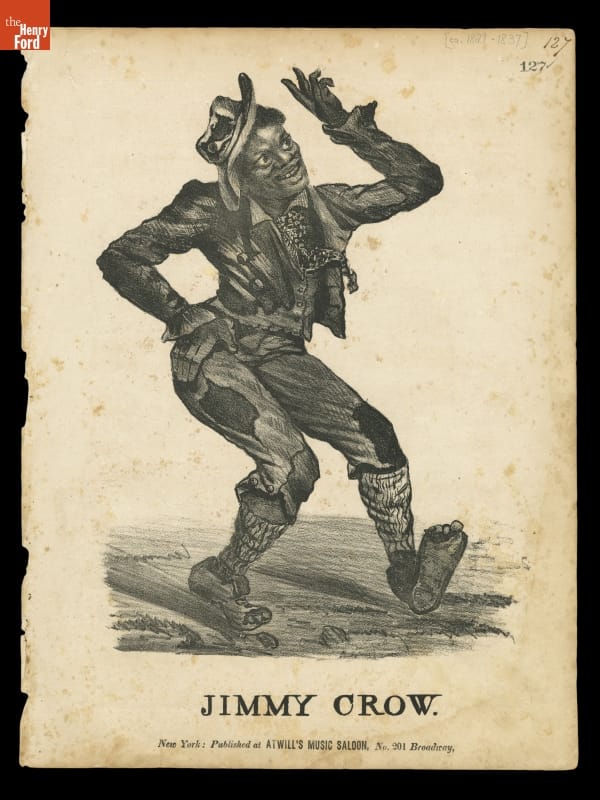
- Day of Courage: Segregation - This sheet music includes the music and lyrics for a minstrel show and the image of a blackface character. Minstrel shows generally featured white actors wearing black makeup (known as blackface) who portrayed racist stereotypes of African Americans through singing and dancing. American audiences considered these shows comical and attended minstrel shows for over a century, from the live theater of the early 1800s to the films of the early-20th century. They even appeared in mid-20th century children's cartoons. The lyrics on this sheet are attributed to Thomas Dartmouth Rice (1808-1860), who introduced the character "Jim Crow", a stereotypical African American, in 1832. The cover image may also depict Rice, an American singer, dancer, and composer, one of the first well-known blackface performers. The "Jimmy Crow" song made Rice internationally famous. The song's popularity first brought the term into the American language as derogatory slang referring to African Americans. "Jim Crow" eventually referred to the two separate societies - one black, one white - followed throughout the United States. This system was formalized in the South by state laws passed in the late-19th century. Blacks and whites could not sit in the same waiting rooms, use the same bathrooms or eat in the same restaurants, for example. Not until the Civil Rights movement of the 1950s and 1960s was segregation outlawed.
- January 08, 2013
- Collections - Set
Day of Courage: Segregation
This sheet music includes the music and lyrics for a minstrel show and the image of a blackface character. Minstrel shows generally featured white actors wearing black makeup (known as blackface) who portrayed racist stereotypes of African Americans through singing and dancing. American audiences considered these shows comical and attended minstrel shows for over a century, from the live theater of the early 1800s to the films of the early-20th century. They even appeared in mid-20th century children's cartoons. The lyrics on this sheet are attributed to Thomas Dartmouth Rice (1808-1860), who introduced the character "Jim Crow", a stereotypical African American, in 1832. The cover image may also depict Rice, an American singer, dancer, and composer, one of the first well-known blackface performers. The "Jimmy Crow" song made Rice internationally famous. The song's popularity first brought the term into the American language as derogatory slang referring to African Americans. "Jim Crow" eventually referred to the two separate societies - one black, one white - followed throughout the United States. This system was formalized in the South by state laws passed in the late-19th century. Blacks and whites could not sit in the same waiting rooms, use the same bathrooms or eat in the same restaurants, for example. Not until the Civil Rights movement of the 1950s and 1960s was segregation outlawed.
- Black Entrepreneurs during the Jim Crow Era - The more that Jim Crow laws cut off Black communities, and the more that white businessmen refused to cater to Black customers, the more possible it became for enterprising African American entrepreneurs to create viable businesses of their own.

- February 21, 2018
- Collections - article
Black Entrepreneurs during the Jim Crow Era
The more that Jim Crow laws cut off Black communities, and the more that white businessmen refused to cater to Black customers, the more possible it became for enterprising African American entrepreneurs to create viable businesses of their own.
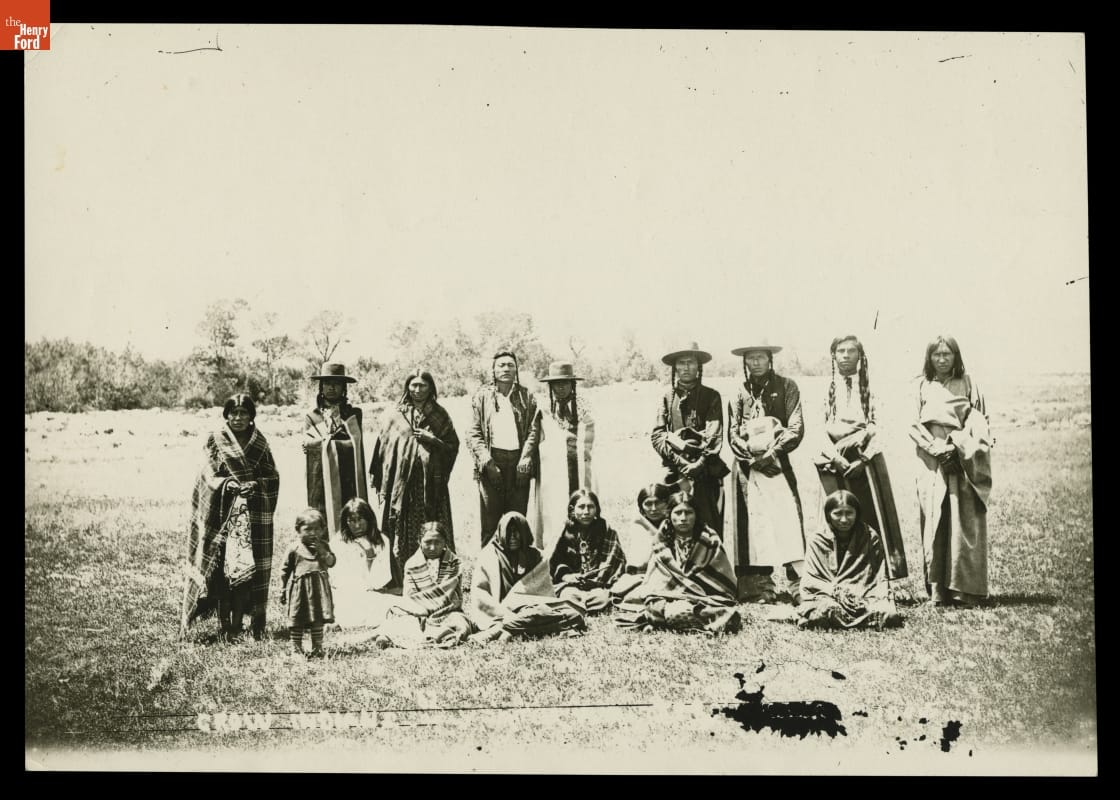
- Crow People, Wyoming Territory, 1882 - The Apsaalooke (Crow) occupied the game rich lands in the Yellowstone River basin of Wyoming and Montana. By the second half of the 1800s, encroachment by other Native American tribes and the influx of white settlers constricted the size of their traditional hunting grounds. Treaties signed with the U.S. government in 1868 and 1882 ultimately confined the Apsaalooke to a reservation in south central Montana.
- 1882
- Collections - Artifact
Crow People, Wyoming Territory, 1882
The Apsaalooke (Crow) occupied the game rich lands in the Yellowstone River basin of Wyoming and Montana. By the second half of the 1800s, encroachment by other Native American tribes and the influx of white settlers constricted the size of their traditional hunting grounds. Treaties signed with the U.S. government in 1868 and 1882 ultimately confined the Apsaalooke to a reservation in south central Montana.
- "Repeal Abortion Laws" Button, circa 1970 -
- circa 1970
- Collections - Artifact
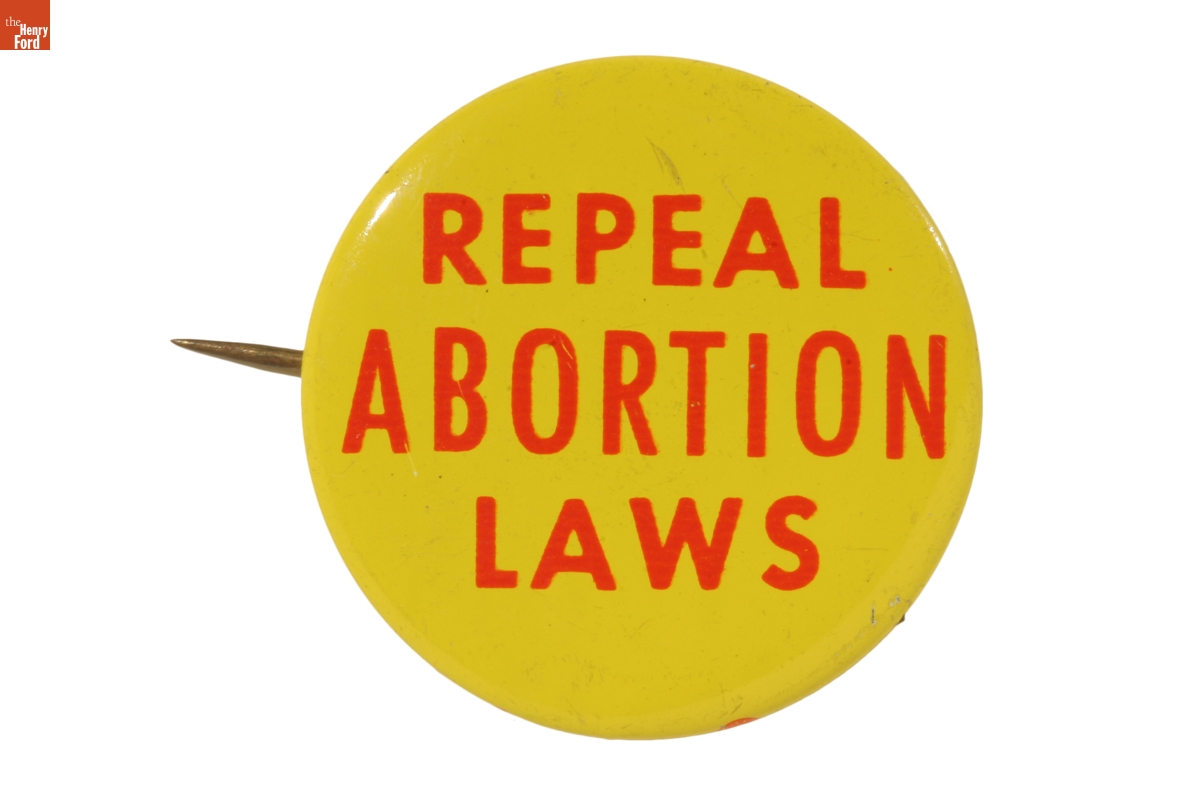
"Repeal Abortion Laws" Button, circa 1970
- "To Establish the Rule of Justice": 60 Years of the Civil Rights Act of 1964 - The 1960s were a decade filled with turbulence and change. The country was beginning to come out of the fog of grief caused by the death of President John F. Kennedy, and the healing was still raw.

- February 21, 2024
- Collections - article
"To Establish the Rule of Justice": 60 Years of the Civil Rights Act of 1964
The 1960s were a decade filled with turbulence and change. The country was beginning to come out of the fog of grief caused by the death of President John F. Kennedy, and the healing was still raw.