
Search
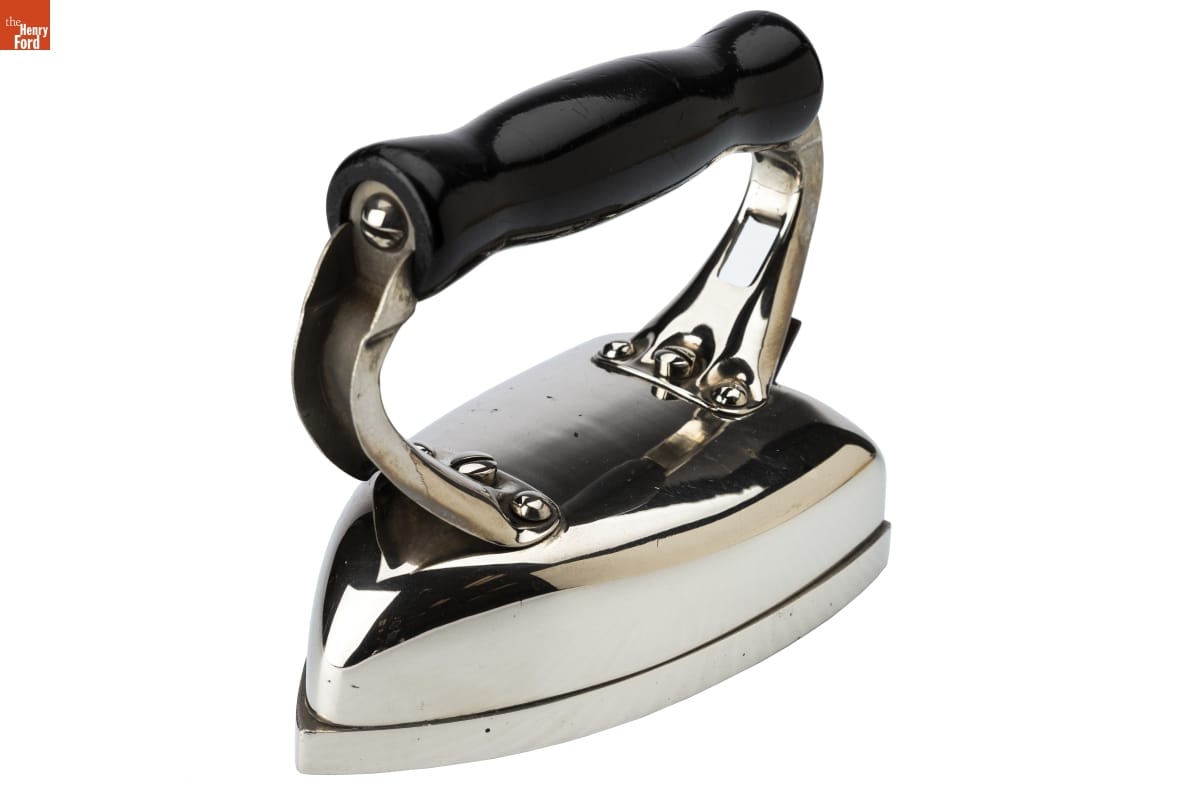
- Westinghouse Electric Iron, 1908-1918 -
- 1908-1918
- Collections - Artifact
Westinghouse Electric Iron, 1908-1918
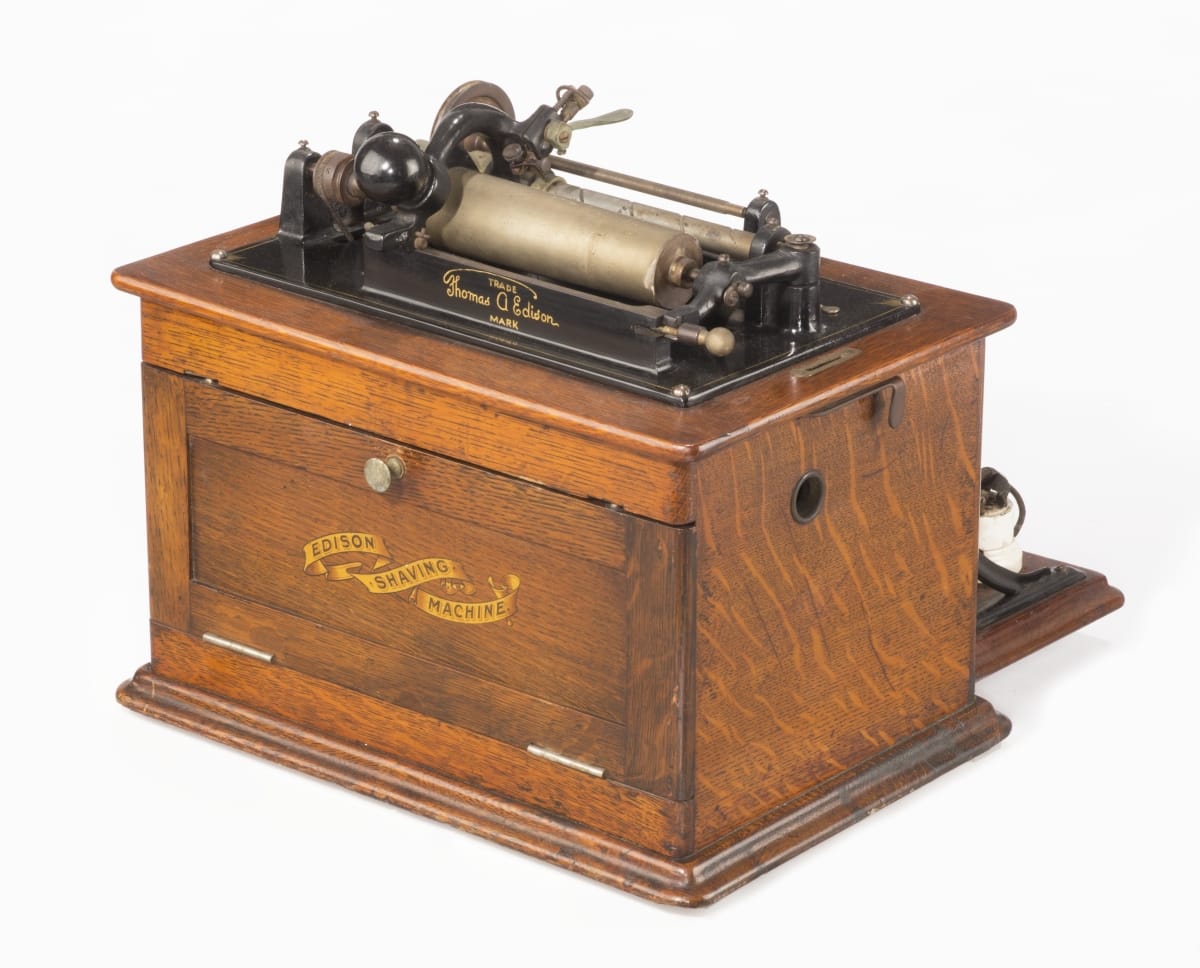
- Cylinder Shaving Machine, circa 1907 - Dictaphones and Ediphones were sound recording devices largely used for oral dictation in business settings. In this scenario, wax cylinder recordings were passed to a secretary, who listened to the recording with a playback-only transcriber and then typed up notes. A shaving machine, such as this one, scraped the previously inscribed layer away allowing a wax cylinder to be reused over 100 times.
- circa 1907
- Collections - Artifact
Cylinder Shaving Machine, circa 1907
Dictaphones and Ediphones were sound recording devices largely used for oral dictation in business settings. In this scenario, wax cylinder recordings were passed to a secretary, who listened to the recording with a playback-only transcriber and then typed up notes. A shaving machine, such as this one, scraped the previously inscribed layer away allowing a wax cylinder to be reused over 100 times.
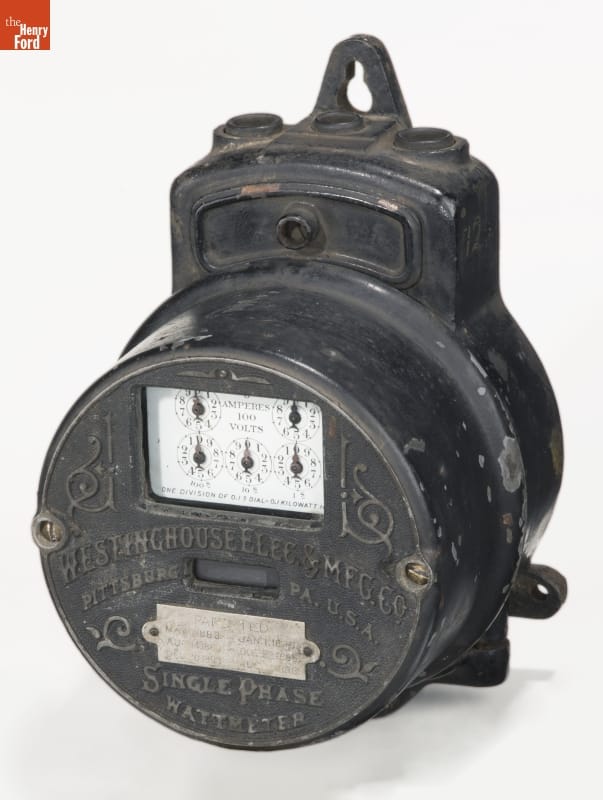
- Westinghouse Type A Wattmeter, circa 1903 - In the late 1800s, companies that supplied electricity to consumers needed a way to measure how much customers used -- and then charge them accordingly. Inventive electrical engineers developed various methods to measure electric power. Induction meters that employed magnetic fields to rotate a disc or cylinder to register energy usage would become the standard. Continued improvements made these wattmeters more compact and reliable.
- circa 1903
- Collections - Artifact
Westinghouse Type A Wattmeter, circa 1903
In the late 1800s, companies that supplied electricity to consumers needed a way to measure how much customers used -- and then charge them accordingly. Inventive electrical engineers developed various methods to measure electric power. Induction meters that employed magnetic fields to rotate a disc or cylinder to register energy usage would become the standard. Continued improvements made these wattmeters more compact and reliable.
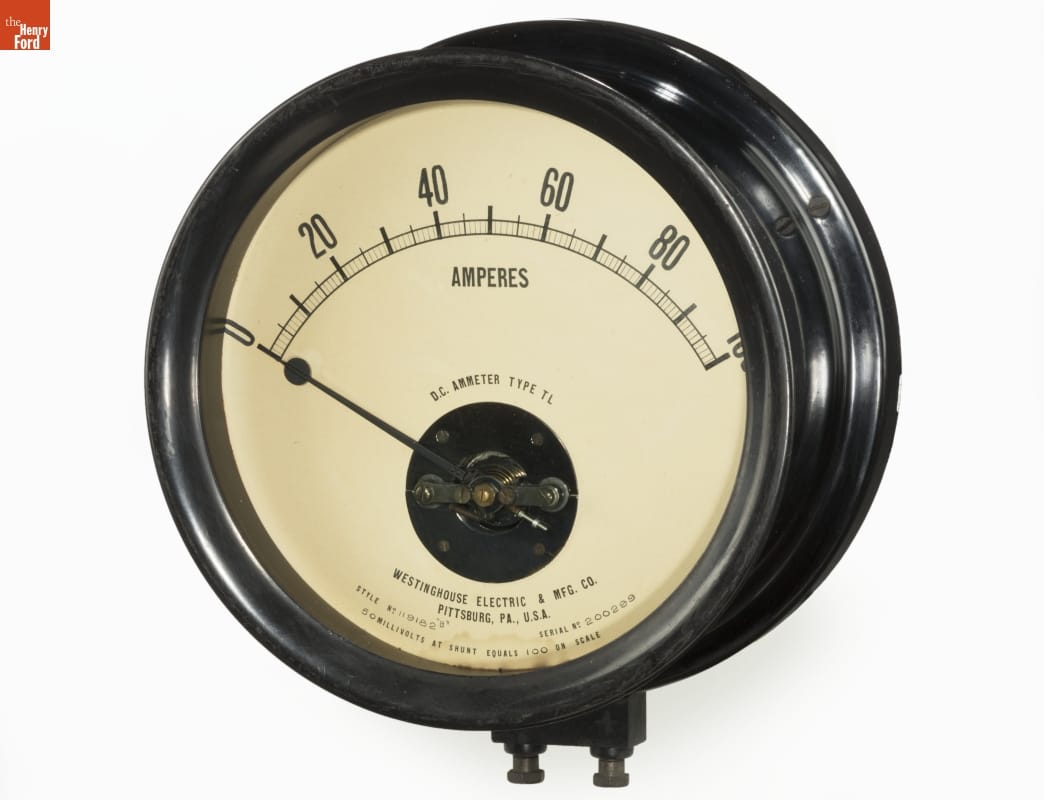
- Westinghouse Type TL Ammeter, circa 1911 - In the late 1800s and early 1900s, companies that supplied electricity to consumers needed a variety of instruments to regulate and monitor electrical output. These instruments were vital to the operation of power stations and needed to be accurate and rugged. Ammeters--used to measure the current in a circuit--could be found on switchboards or connected to motors and generators.
- circa 1911
- Collections - Artifact
Westinghouse Type TL Ammeter, circa 1911
In the late 1800s and early 1900s, companies that supplied electricity to consumers needed a variety of instruments to regulate and monitor electrical output. These instruments were vital to the operation of power stations and needed to be accurate and rugged. Ammeters--used to measure the current in a circuit--could be found on switchboards or connected to motors and generators.
- Westinghouse Type TL Ammeter, circa 1911 - In the late 1800s and early 1900s, companies that supplied electricity to consumers needed a variety of instruments to regulate and monitor electrical output. These instruments were vital to the operation of power stations and needed to be accurate and rugged. Ammeters--used to measure the current in a circuit--could be found on switchboards or connected to motors and generators.
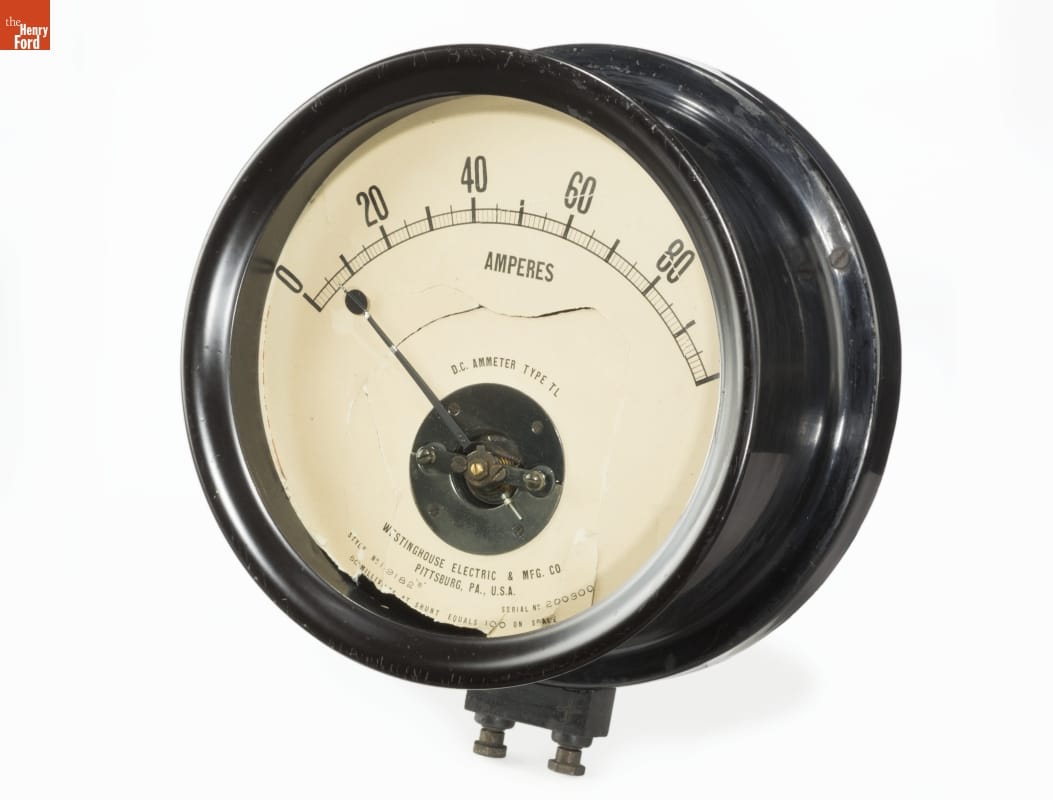
- circa 1911
- Collections - Artifact
Westinghouse Type TL Ammeter, circa 1911
In the late 1800s and early 1900s, companies that supplied electricity to consumers needed a variety of instruments to regulate and monitor electrical output. These instruments were vital to the operation of power stations and needed to be accurate and rugged. Ammeters--used to measure the current in a circuit--could be found on switchboards or connected to motors and generators.
- Westinghouse Ammeter, circa 1895 - In the late 1800s and early 1900s, companies that supplied electricity to consumers needed a variety of instruments to regulate and monitor electrical output. These instruments were vital to the operation of power stations and needed to be accurate and rugged. Ammeters--used to measure the current in a circuit--could be found on switchboards or connected to motors and generators.
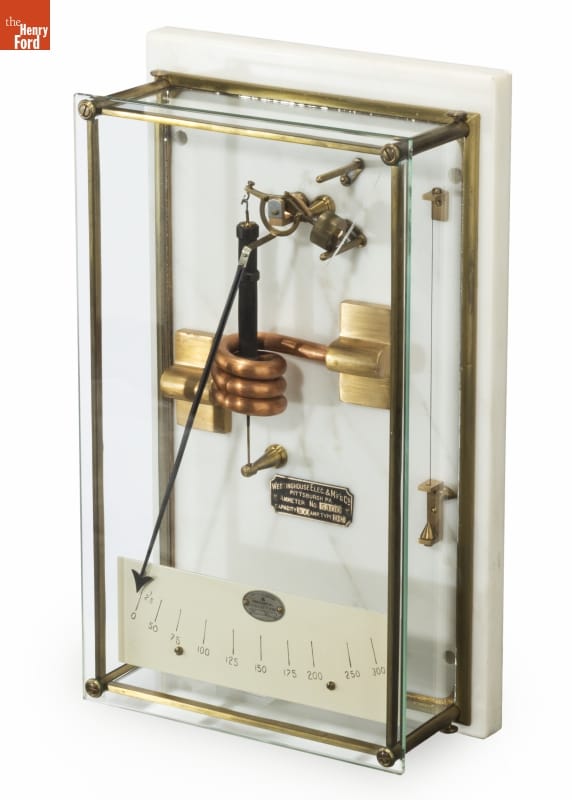
- circa 1895
- Collections - Artifact
Westinghouse Ammeter, circa 1895
In the late 1800s and early 1900s, companies that supplied electricity to consumers needed a variety of instruments to regulate and monitor electrical output. These instruments were vital to the operation of power stations and needed to be accurate and rugged. Ammeters--used to measure the current in a circuit--could be found on switchboards or connected to motors and generators.
- Westinghouse Type C Switchboard Wattmeter, 1906-1911 - In the late 1800s, companies that supplied electricity to consumers needed a way to measure how much customers used -- and then charge them accordingly. Inventive electrical engineers developed various methods to measure electric power. Induction meters that employed magnetic fields to rotate a disc or cylinder to register energy usage would become the standard. Continued improvements made these wattmeters more compact and reliable.
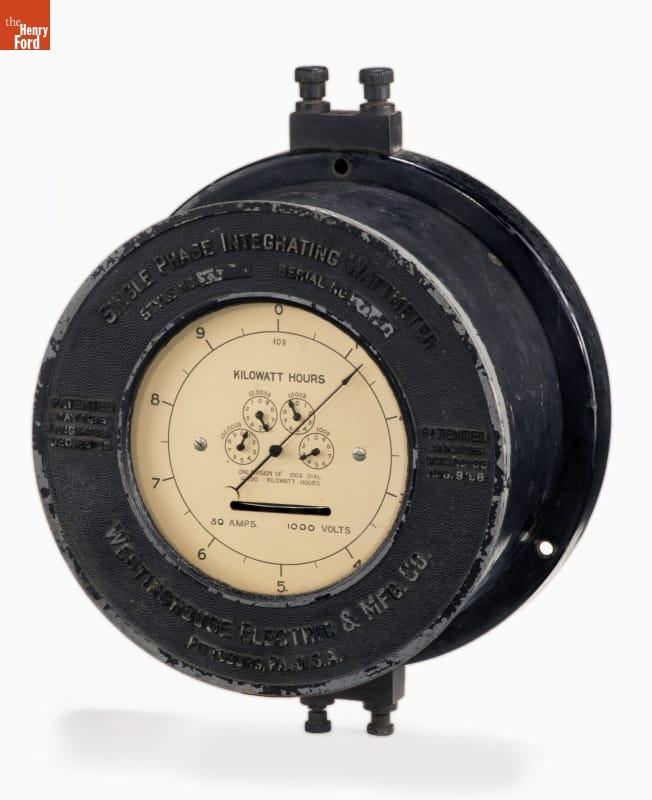
- 1906-1911
- Collections - Artifact
Westinghouse Type C Switchboard Wattmeter, 1906-1911
In the late 1800s, companies that supplied electricity to consumers needed a way to measure how much customers used -- and then charge them accordingly. Inventive electrical engineers developed various methods to measure electric power. Induction meters that employed magnetic fields to rotate a disc or cylinder to register energy usage would become the standard. Continued improvements made these wattmeters more compact and reliable.
- Emerson Series HH Meston Fan Motor, circa 1893 -
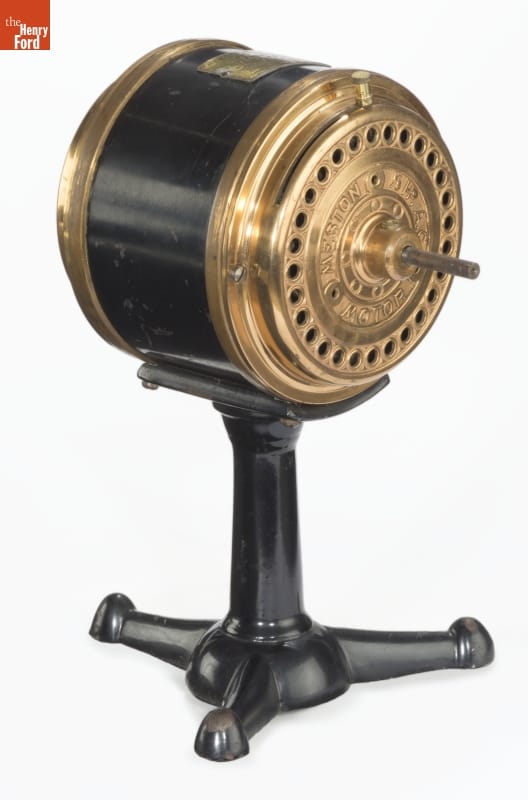
- circa 1893
- Collections - Artifact
Emerson Series HH Meston Fan Motor, circa 1893
- Van Depoele Motor, circa 1885 -
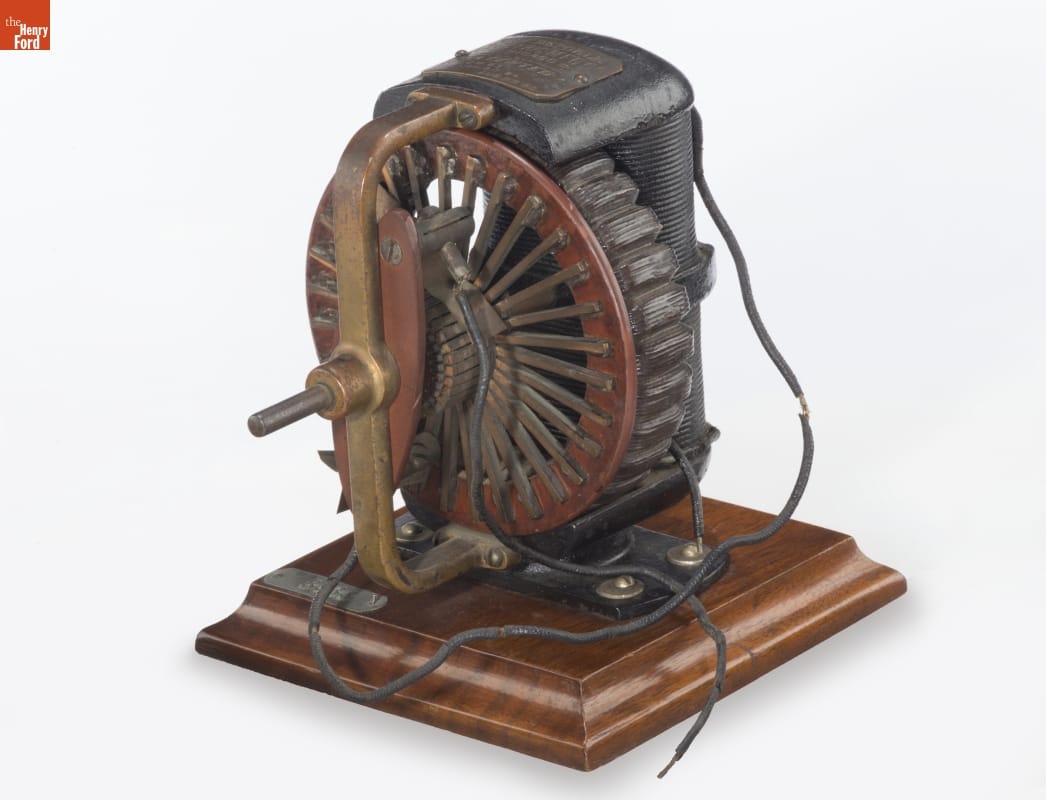
- circa 1885
- Collections - Artifact
Van Depoele Motor, circa 1885
- Westinghouse Type TM Voltmeter, 1911-1925 -
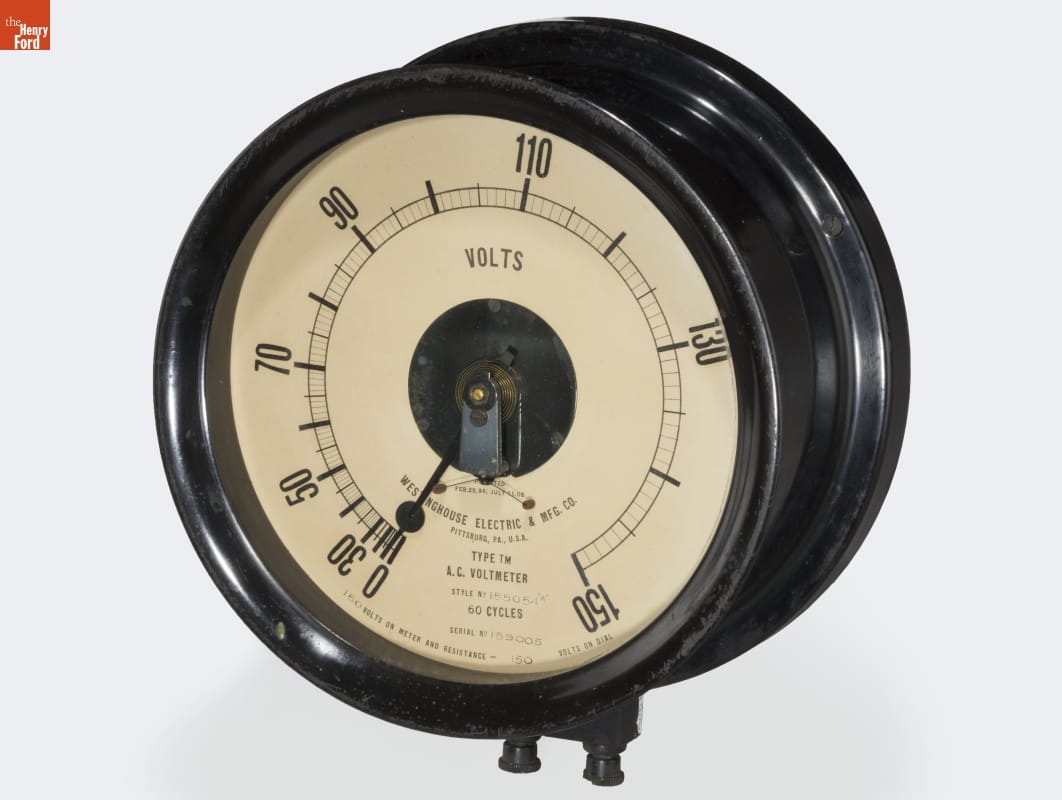
- 1911-1925
- Collections - Artifact
Westinghouse Type TM Voltmeter, 1911-1925