
Search
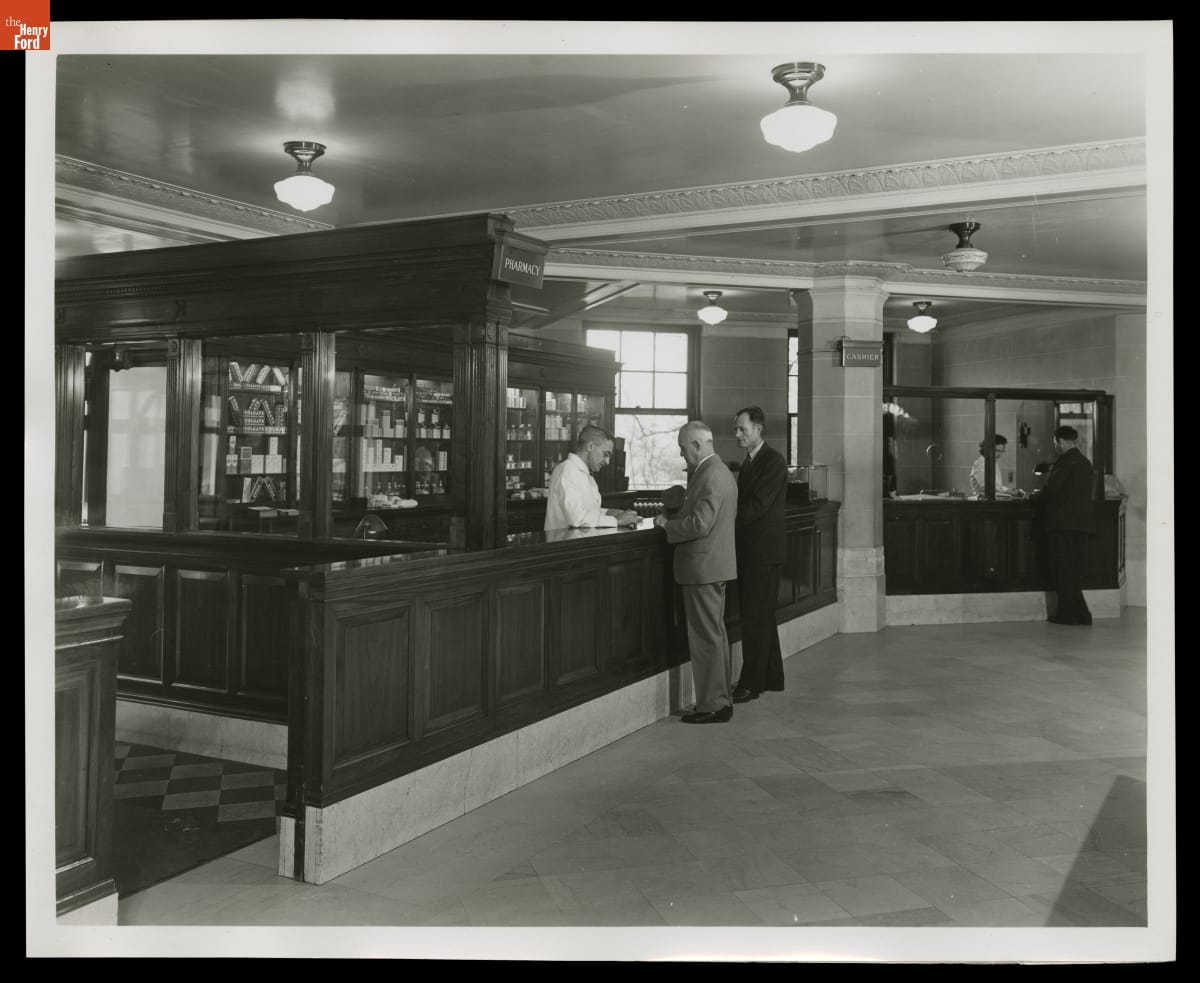
- Pharmacy Counter at Henry Ford Hospital, Detroit, Michigan, November 1946 - In 1915, Henry Ford funded a new hospital for Detroit. Designed and built in consultation with leading medical experts, Henry Ford Hospital employed salaried doctors and charged low, fixed fees to patients. By Mr. Ford's death in 1947, some 1,600 people were on the hospital's staff and more than $16.5 million had been invested in the facility.
- November 06, 1946
- Collections - Artifact
Pharmacy Counter at Henry Ford Hospital, Detroit, Michigan, November 1946
In 1915, Henry Ford funded a new hospital for Detroit. Designed and built in consultation with leading medical experts, Henry Ford Hospital employed salaried doctors and charged low, fixed fees to patients. By Mr. Ford's death in 1947, some 1,600 people were on the hospital's staff and more than $16.5 million had been invested in the facility.
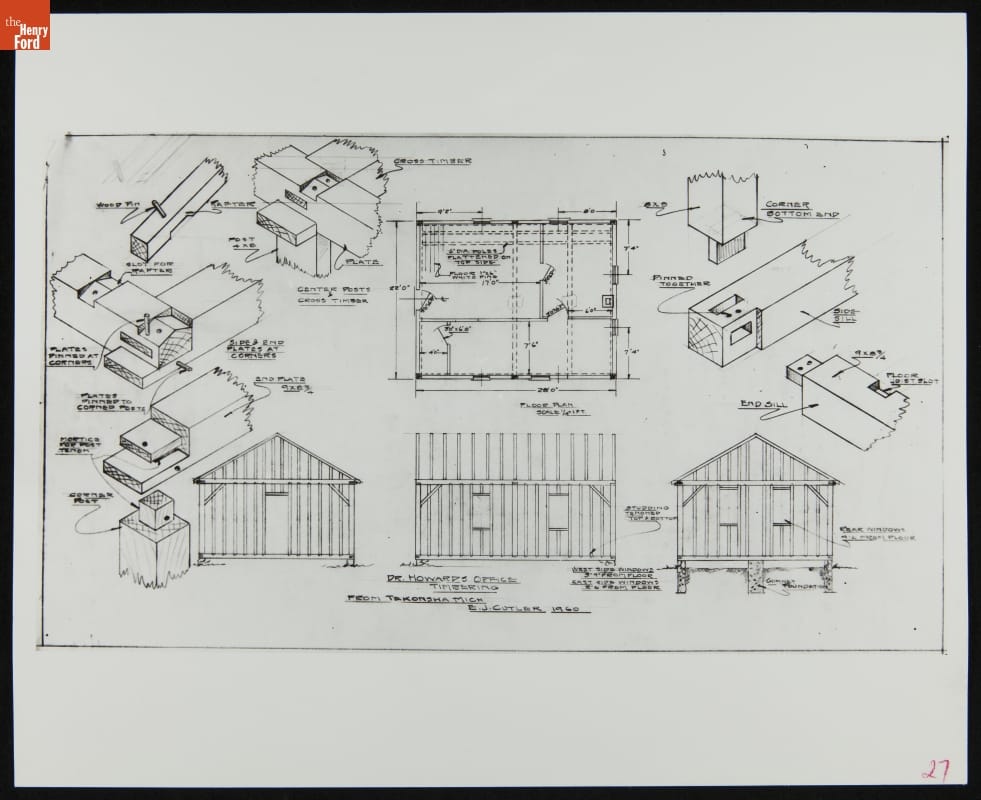
- Photograph of a Drawing of Dr. Howard's Office, July 19, 1960 -
- July 19, 1960
- Collections - Artifact
Photograph of a Drawing of Dr. Howard's Office, July 19, 1960
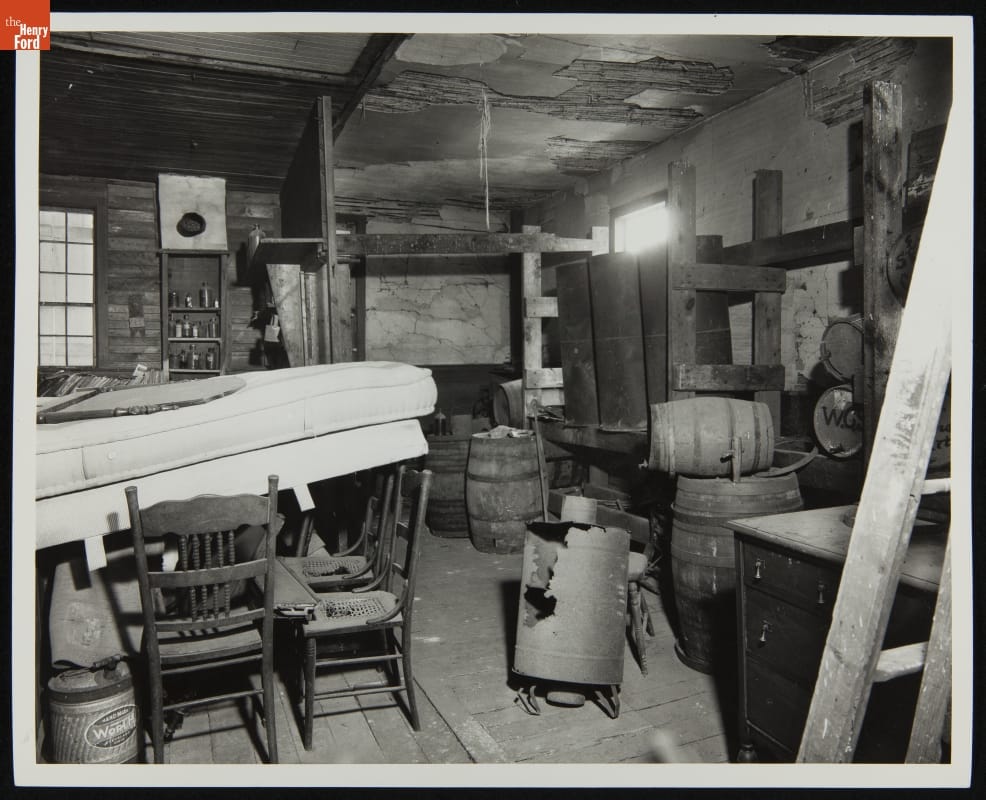
- Interior of Dr. Howard's Office at its Original Site, Tekonsha, Michigan, March 1956 -
- March 01, 1956
- Collections - Artifact
Interior of Dr. Howard's Office at its Original Site, Tekonsha, Michigan, March 1956
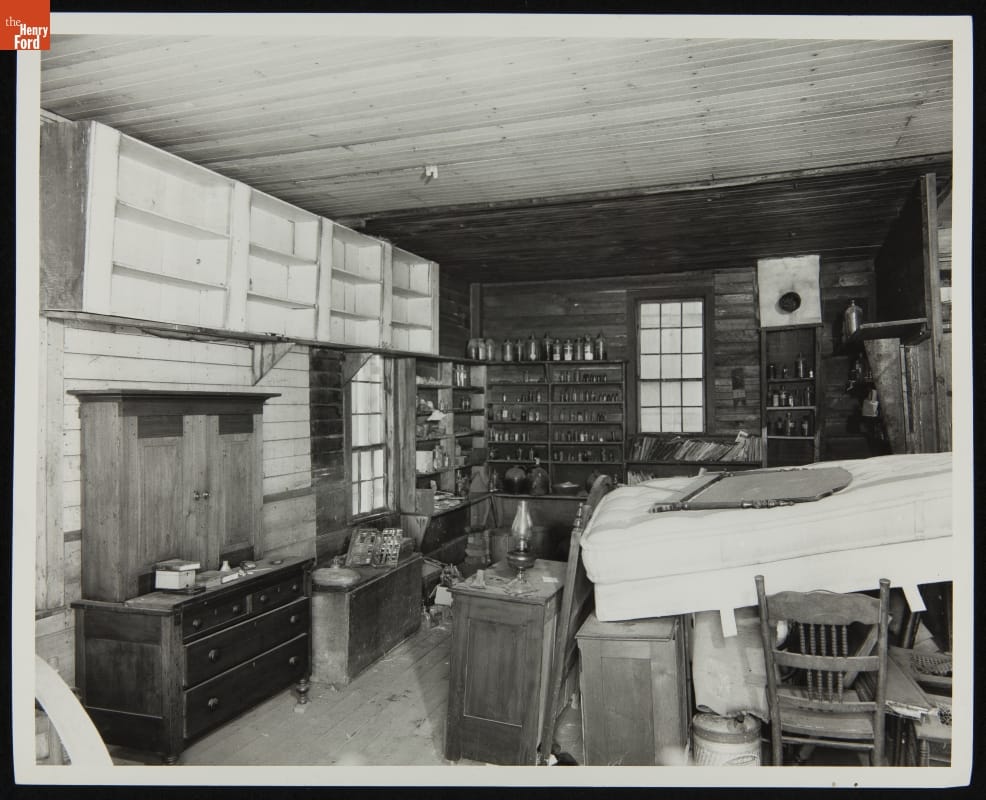
- Interior of Dr. Howard's Office at its Original Site, Tekonsha, Michigan, March 1956 -
- March 01, 1956
- Collections - Artifact
Interior of Dr. Howard's Office at its Original Site, Tekonsha, Michigan, March 1956
- Interior of Dr. Howard's Office at its Original Site, Tekonsha, Michigan, March 1956 -
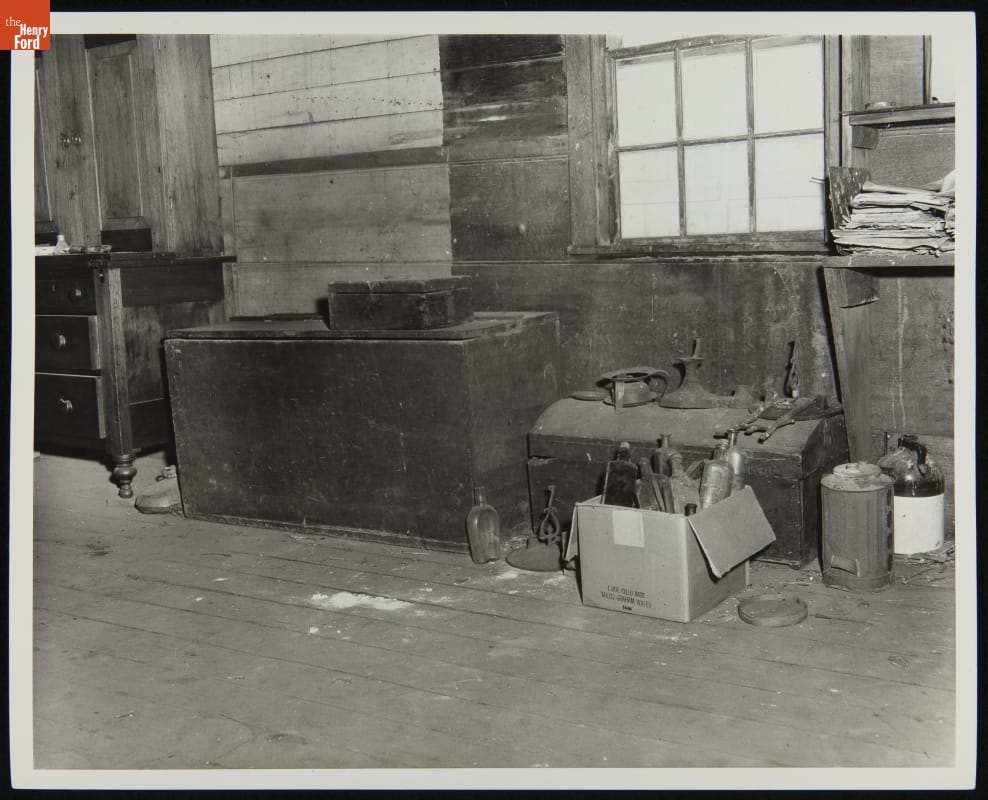
- March 01, 1956
- Collections - Artifact
Interior of Dr. Howard's Office at its Original Site, Tekonsha, Michigan, March 1956
- Drug Jar, 1723 - Eighteenth-century druggists displayed jars, like this one, in their apothecaries. These drug jars held various substances thought to promote health and well-being. The labels provided quick identification of ingredients, while the decorative containers conveyed the druggist's worldliness and professionalism to those in need of health services.
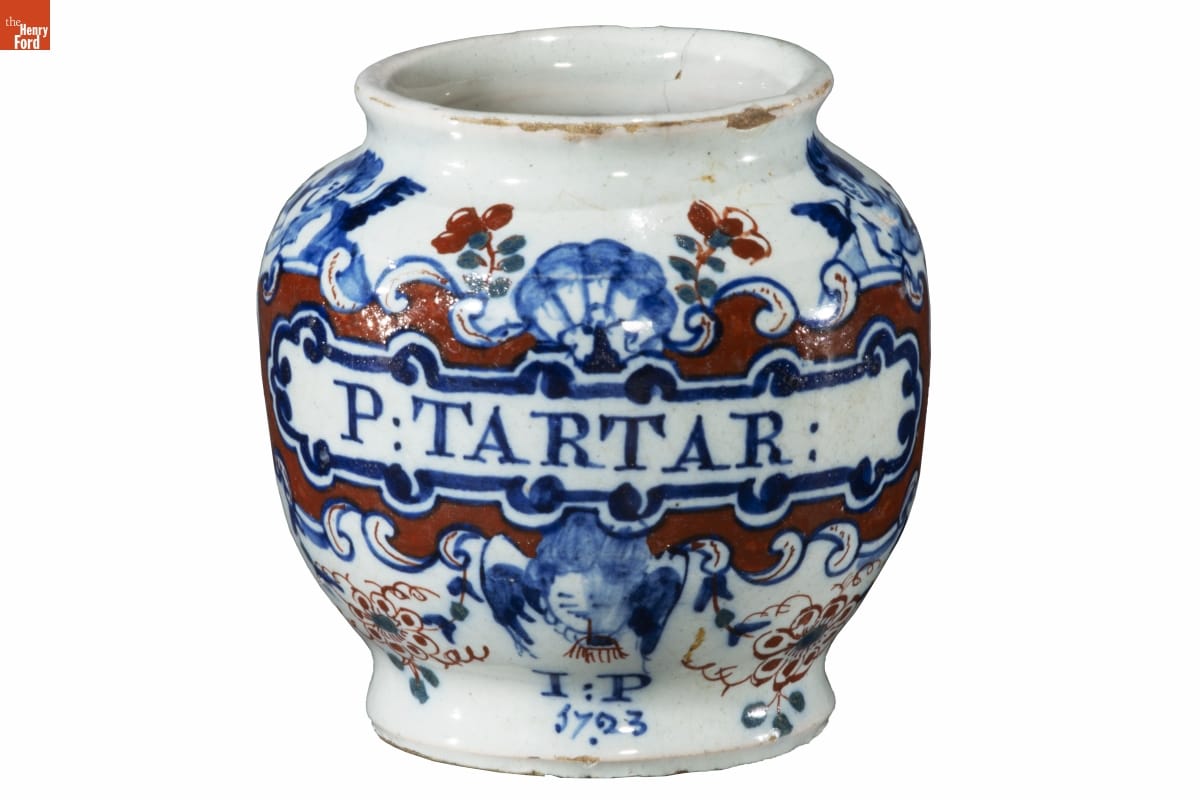
- 1723
- Collections - Artifact
Drug Jar, 1723
Eighteenth-century druggists displayed jars, like this one, in their apothecaries. These drug jars held various substances thought to promote health and well-being. The labels provided quick identification of ingredients, while the decorative containers conveyed the druggist's worldliness and professionalism to those in need of health services.
- Drug Jar, 1720-1740 - Eighteenth-century druggists displayed jars, like this one, in their apothecaries. These drug jars held various substances thought to promote health and well-being. The labels provided quick identification of ingredients, while the decorative containers conveyed the druggist's worldliness and professionalism to those in need of health services.
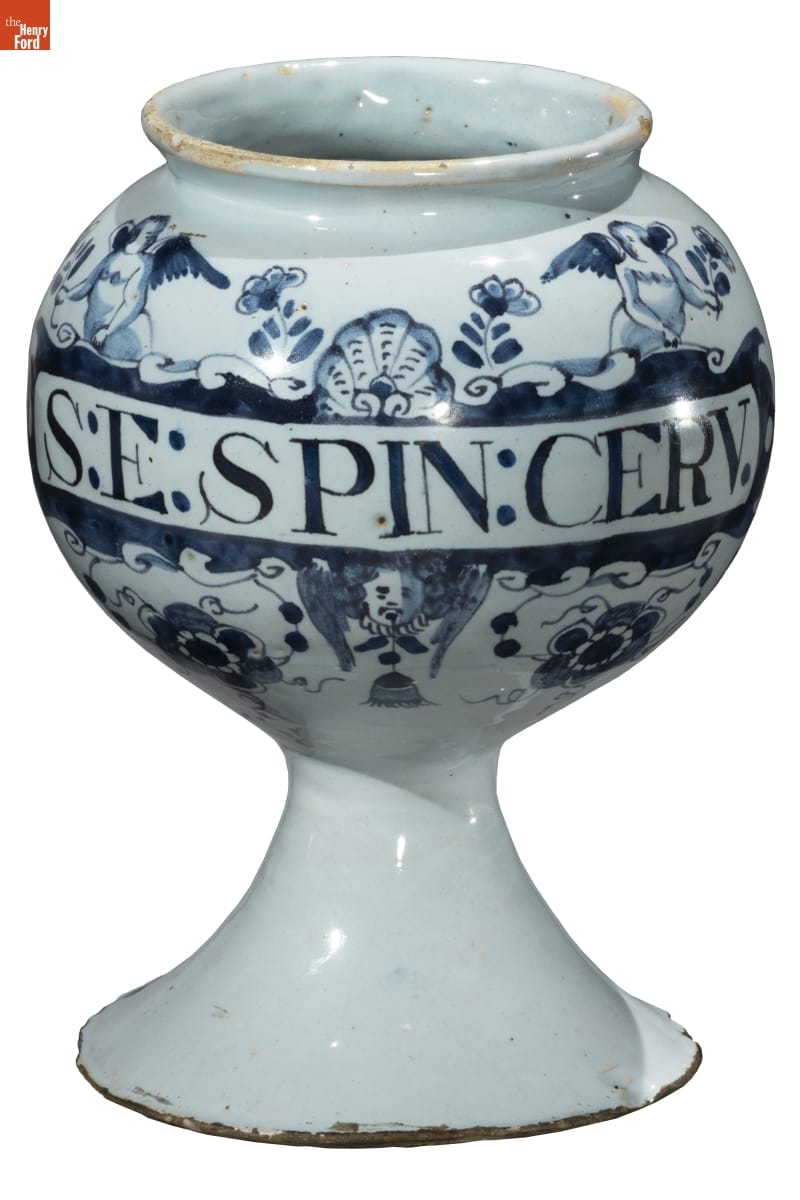
- circa 1720
- Collections - Artifact
Drug Jar, 1720-1740
Eighteenth-century druggists displayed jars, like this one, in their apothecaries. These drug jars held various substances thought to promote health and well-being. The labels provided quick identification of ingredients, while the decorative containers conveyed the druggist's worldliness and professionalism to those in need of health services.
- Burwell & Co. Drug Store, Selma, Alabama -
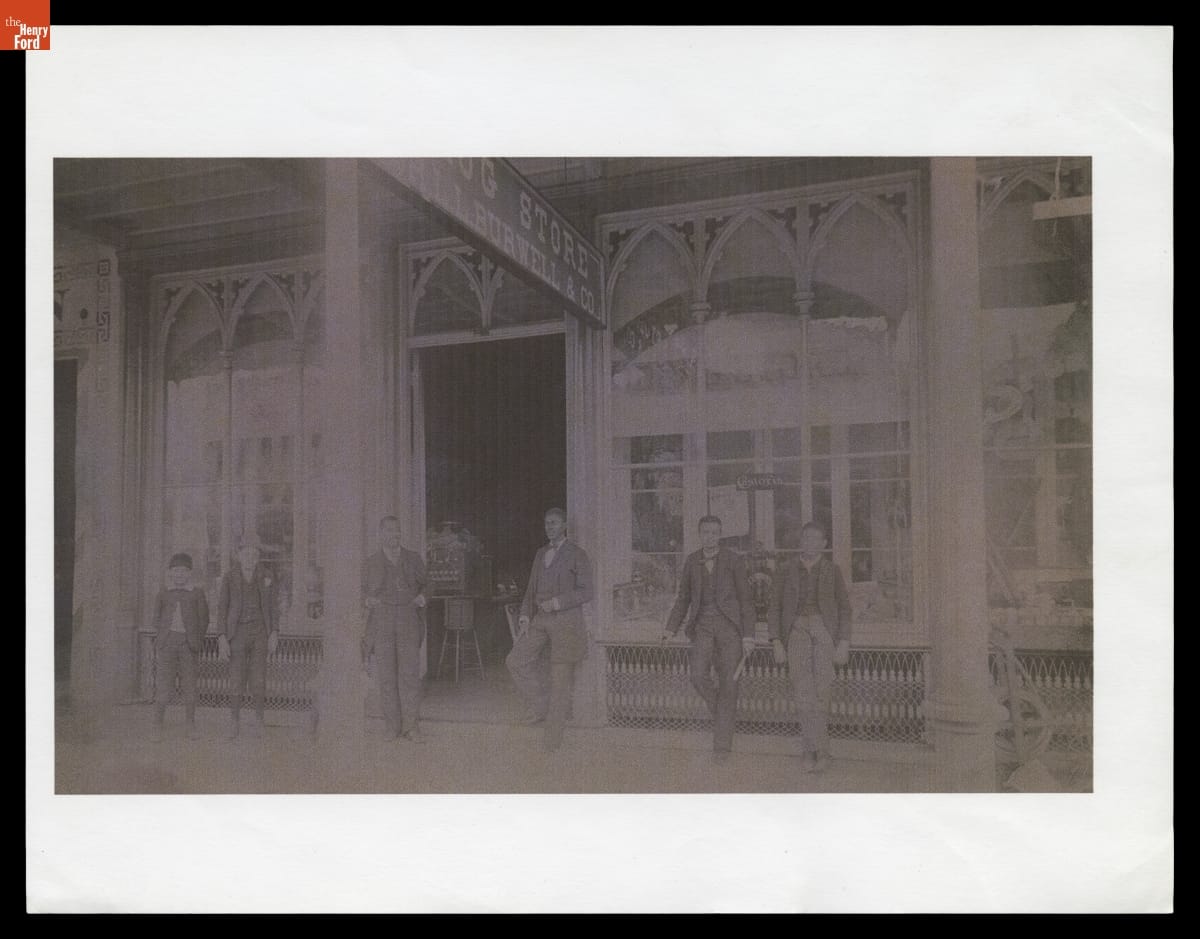
- Collections - Artifact
Burwell & Co. Drug Store, Selma, Alabama
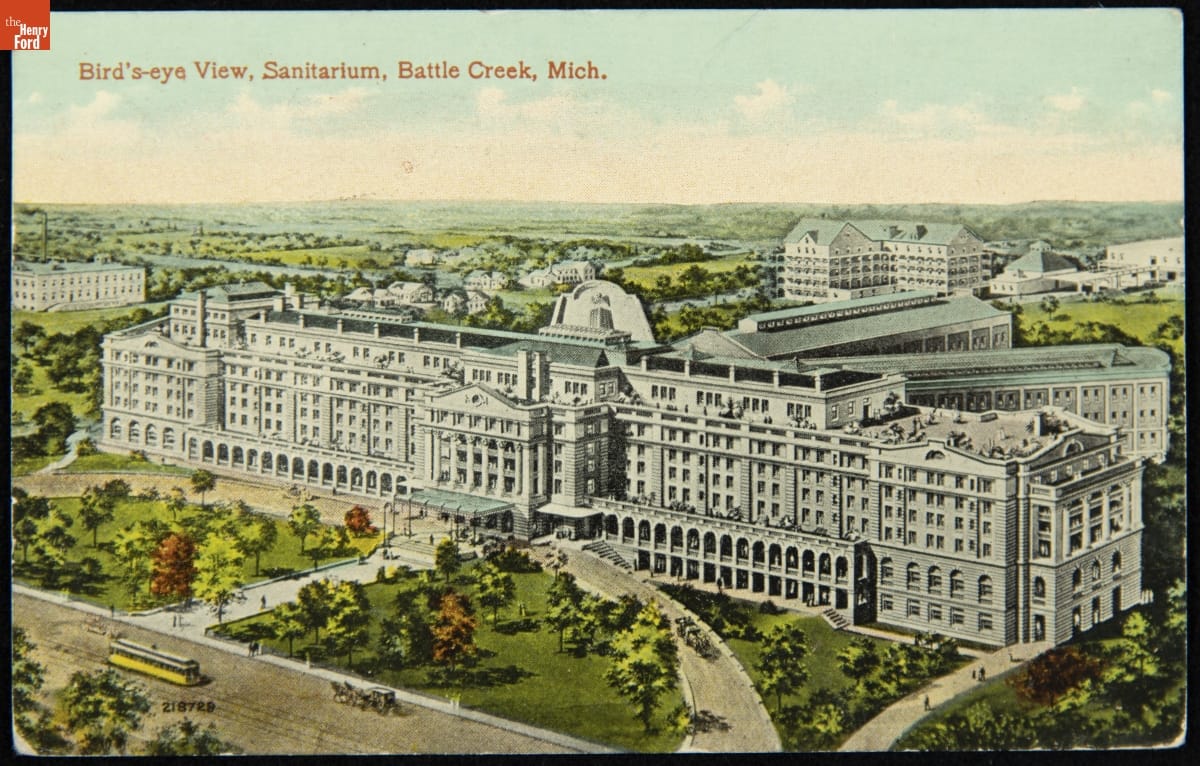
- Battle Creek Sanitarium, Battle Creek, Michigan, circa 1915 - Dr. John Harvey Kellogg became director of the Battle Creek Sanitarium in 1876. Under his leadership, the "San" grew into a leading health resort with treatment programs focused on vegetarianism, hydrotherapy, exercise, and fresh air. The facility survived a 1902 fire, but it couldn't endure the decline in its well-to-do clientele begun by the Great Depression.
- October 26, 1915
- Collections - Artifact
Battle Creek Sanitarium, Battle Creek, Michigan, circa 1915
Dr. John Harvey Kellogg became director of the Battle Creek Sanitarium in 1876. Under his leadership, the "San" grew into a leading health resort with treatment programs focused on vegetarianism, hydrotherapy, exercise, and fresh air. The facility survived a 1902 fire, but it couldn't endure the decline in its well-to-do clientele begun by the Great Depression.
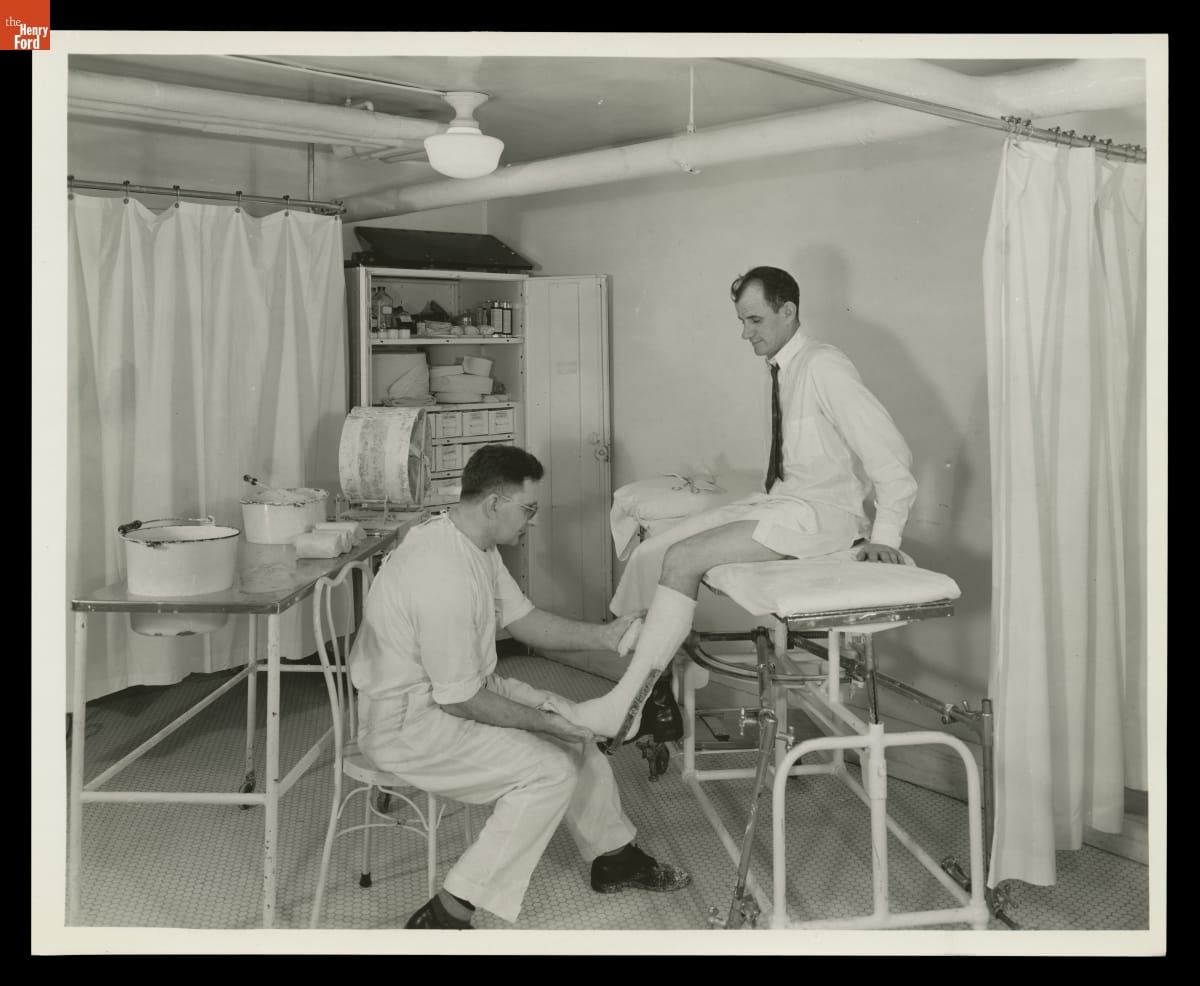
- Man Setting a Cast at Henry Ford Hospital, Detroit, Michigan, November 1946 - In 1915, Henry Ford funded a new hospital for Detroit. Designed and built in consultation with leading medical experts, Henry Ford Hospital employed salaried doctors and charged low, fixed fees to patients. The hospital's medical staff included physicians, surgeons and nurses, as well as specialists in orthopedics, radiology, neonatal care, optometry, dentistry, and other fields.
- November 06, 1946
- Collections - Artifact
Man Setting a Cast at Henry Ford Hospital, Detroit, Michigan, November 1946
In 1915, Henry Ford funded a new hospital for Detroit. Designed and built in consultation with leading medical experts, Henry Ford Hospital employed salaried doctors and charged low, fixed fees to patients. The hospital's medical staff included physicians, surgeons and nurses, as well as specialists in orthopedics, radiology, neonatal care, optometry, dentistry, and other fields.